
Everyone should know about common health problems because the structure of the human body is so complex compared to advanced AI machines that so far, we have not been able to reveal even 1% of its complexity.
Many decades scientists have been conducting research and recording their experiences. Today’s scientists are conducting more research with advanced equipment and revealing many new aspects about the human body. Their dream is to become the highest species in this universe.
Human health depends on many factors, including physical, mental, and environmental factors. Millions of people around the world are facing many health problems. Understanding the root causes and learning how to prevent them is important for living a healthy life.
Here are main root causes of common health problems
- Genetic or Hereditary
- Environmental Factors
- Lifestyle Factors
- Infection Agents – Unhygienic
- Mental or Emotional Factors
- Medical Negligence or Poor Healthcare
Genetic or Hereditary causes of common health problems
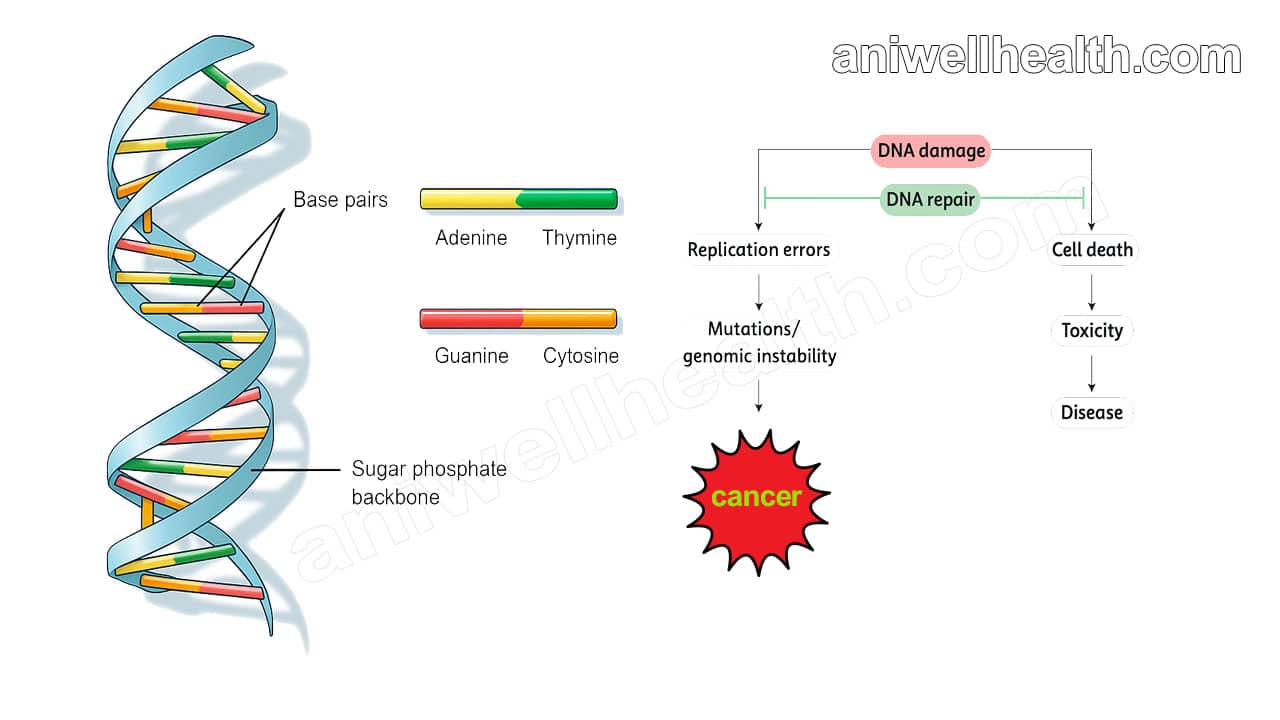
From mother’s Womb to birth and birth to death, a person’s genetic mutations is influenced by lifestyle, environmental factors, psychological conditions and chronic diseases. There are approximately 20,000 to 25,000 genes protein-coding in humans.
These are the Common Health Problems from Genetic issues
- Thalassemia, sickle cell anemia
- Haemophilia
- Alzheimer’s disease.
- psychological disorders
- Diabetes
- Heart disease
- Cancer
- Blood Pressure
- Asthma
- Impotence
- Physical fitness, Bone Growth, Height.
- Skin and Hair.
Some diseases can be detected early through genetic testing and prevented by taking appropriate precautions.
Prevention :
- Intake a Balanced Diet, Daily Exercise, Stress Management
- Regular Health Checkups
- Maintain Family Medical History
- If there is a known high hereditary risk in the family medical history, Geneticist should be sought first.
Environmental Factors that cause common health problems.
Environmental factors significantly affect human health, including contaminated water, soil, chemical exposures, radiation, and even climate change. According to the World Health Organization [WHO], nearly 25% of global deaths are linked to environmental causes.
Common health problems caused by air pollution.
It is a buggest threat and damages our lungs, heart even brain. it is from Natural sources like Forest fires, volcanic eruptions, dust storms or Human activities like Insustrial smoke, Vehicle emissions, indoor cooking (biomass), Agricultural Practices, Construction Dust
| Source | Pollutant | Effect |
|---|---|---|
| industrial smoke | PM2.5 | Penetrates lungs & blood; causes heart attacks, asthma, lung cancer |
| Construction dust | PM10 | Irritates nose & throat, worsens asthma & bronchitis |
| Vehicle exhaust | Nitrogen Dioxide | Irritates lungs, reduces immunity, triggers asthma attacks |
| Burning coal/oil | Sulphur Dioxide | Causes coughing, shortness of breath, and lung inflammation |
| Incomplete combustion | Carbon Monoxide | Reduces oxygen in blood, causes headaches, dizziness, can be fatal in high doses |
| Chemical reaction | Ozone | Damages lung tissue, causes chest pain, worsens asthma |
| battery recycling | Lead | Affects brain development, especially in children; kidney and nervous system damage |
| Paints, fuels, cleaning agents | Volatile Organic Compounds | Causes eye/nose irritation, headaches, and long-term organ damage |
To Controlling it requires combined action from governments, industries, and citizens.
Common health problems caused by water pollution.
Water pollution is the contamination of water resources. Water is usually polluted by human activities and nature, such as industrial waste, agricultural waste, sewage, marine dumping, various geological and environmental processes. Polluted water is not safe for drinking, bathing, cooking, farming, and keeping aquatic life safe. It causes many common health problems.
| Source | Contaminant | Health problems |
|---|---|---|
| Sewage / Wastewater | Bacteria (e.g., E. coli, Shigella) | Cholera, Typhoid, Dysentery, Diarrhea |
| Industrial Waste | Heavy metals (Lead, Mercury, Cadmium) | Kidney damage, Nerve disorders, Cancer |
| Agricultural Runoff | Pesticides, Fertilizers (Nitrates) | Blue Baby Syndrome, Cancer, Hormonal disorders |
| Household Waste | Detergents, Organic waste | Skin allergies, Waterborne infections |
| Natural Mineral Leaching | Arsenic, Fluoride | Arsenicosis, Fluorosis, Bone and Skin damage |
| Oil Spills | Petroleum products | Skin diseases, Poisoning, Marine life death |
| Plastic Waste | Microplastics, Toxins | Endocrine disruption, Digestive problems |
| Thermal Pollution | Heated water | Reduced oxygen, Death of aquatic organisms |
| Algal Blooms | Cyanotoxins | Liver damage, Skin irritation, Neurological effects |
| Saltwater Intrusion | Sodium, Chloride | High blood pressure (from drinking salty water) |
| Animal Waste | Parasites, Bacteria | Giardiasis, Cryptosporidiosis, Gastrointestinal issues |
Preventing : Prevent water pollution is essential to protecting human health and the environment. Simple measures like treating wastewater, reducing plastic use, using eco-friendly products, and disposing of waste properly can make a big difference. Industries should follow pollution control regulations and farmers should use natural fertilizers and pesticides.
Common health problems caused by Soil Pollution.
Soil pollution refers to the contamination of soil by harmful chemicals, waste, or substances that negatively affect its quality, fertility, and ecosystem health.
| Source | Contaminant | Health problems |
|---|---|---|
| Industrial waste dumping | Heavy metals (lead, mercury, cadmium) | Neurological issues, kidney damage, developmental problems |
| Agricultural activities (fertilizers) | Nitrates, phosphates | Methemoglobinemia (“blue baby syndrome”), digestive issues |
| Pesticide usage | Pesticides (DDT, aldrin, lindane) | Cancer, hormone disruption, skin diseases |
| Domestic waste disposal | Plastic, metals, organic waste | Skin allergies, respiratory problems |
| Mining activities | Arsenic, mercury, cyanide | Cancer, skin lesions, liver and lung damage |
| E-waste dumping | Lead, cadmium, brominated compounds | Brain damage, hormonal imbalance, reproductive health issues |
| Sewage sludge and wastewater irrigation | Pathogens, organic contaminants | Gastrointestinal infections, parasitic diseases |
| Oil and fuel spills | Hydrocarbons (benzene, toluene) | Blood disorders, cancer, dizziness, respiratory issues |
| Construction and demolition debris | Asbestos, cement particles | Lung diseases (asbestosis, mesothelioma), skin irritation |
| Landfills and open dumping | Mixed toxic substances | Chronic headaches, immune suppression, congenital disorders |
Preventing :Individual and collective action is needed to reduce soil pollution. personal hygiene practices, such as washing hands after gardening or playing outdoors, can also prevent infections.
Avoid eat food that is grown in contaminated soil, it can protect serious health problems such as cancer, developmental defects, and organ damage. Washing fruits and vegetables thoroughly and using clean water for cooking can reduce the risk of ingesting harmful substances. Governments and environmental agencies should monitor soil quality and limit the useage of toxic chemicals in agriculture and industry.
Common health problems caused by Noice Pollution.
The normal hearing frequency range is 20 Hz to 20,000 Hz but the healthiest frequncy is 250 – 4,000 Hz. Noise pollution is measured in decibels (dB) intensity. This range actually ranges from 0 dB to 140 dB. This noise becomes harmful if it is repeated or prolonged and is considered noise pollution. This leads to common health problems related to ear and mental stress.
Noise pollution refers to the excessive or disturbing sounds like from traffic, construction, factories, loudspeakers, and airplanes that diturb the natural balance and cause discomfort to humans. Constant exposure to high noise levels can lead to serious health issues such as stress, sleep disturbances, hearing loss, high blood pressure, and reduced concentration.
| dB Level | Category | Examples | Effect on Human Health |
|---|---|---|---|
| 0–20 dB | Very Low (Safe) | Breathing, rustling leaves | No harm – very quiet environment |
| 21–40 dB | Low (Safe) | Whisper, quiet room | No health impact – ideal for relaxation or sleep |
| 41–60 dB | Moderate (Acceptable) | Normal conversation, office noise | Generally safe, but prolonged exposure may cause irritation |
| 61–70 dB | Slightly High | Busy traffic, vacuum cleaner | Mild annoyance, stress, especially with long exposure |
| 71–85 dB | High (Warning Zone) | Heavy traffic, loud music | Long-term exposure may cause hearing damage |
| 86–100 dB | Very High (Harmful) | Motorcycle, nightclub, factory noise | Risk of permanent hearing loss after prolonged exposure |
| 101–120 dB | Dangerous | Rock concert, chainsaw | Short exposure can damage hearing |
| 121–140 dB | Extremely Dangerous | Fireworks, ambulance siren | Immediate pain, potential ear injury |
| >140 dB | Pain Threshold | Jet engine at close range | Instant damage, potential permanent hearing loss |
Preventing : Avoid exposure to loud noises in daily life, Using ear protection in noisy environments, keeping the volume low on headphones and Sound Speakers, and installing soundproofing in homes and offices can help protect hearing. Creating quiet areas near hospitals, schools, and residences also play a key role. Raising public awareness and strictly enforcing noise regulations are essential to protecting mental and physical health.
Common health problems caused by Radiation.
The release of energy in the form of electromagnetic waves or atomic particles is referred to as radiation. Although natural radiation from the sun is harmless and essential for life, excessive exposure to X-rays and artificial radiation from nuclear power plants, radioactive waste, or mobile towers can be dangerous and increase common health problems.
The safe exposure limit for the general public is usually considered around 1 mSv per year, while occupational exposure (like for radiologists or nuclear workers) may go up to 20 mSv per year under controlled conditions. Radiation pollution becomes harmful when exposure is high in intensity or prolonged, leading to severe health risks such as DNA damage, cancer, infertility, organ failure, and even death in extreme cases.
| Radiation Dose | Category | Source Examples | Effect on Human Health |
|---|---|---|---|
| 0–0.1 mSv/year | Very Low (Safe) | Natural background radiation | No harmful effects |
| 0.1–1 mSv/year | Low (Safe) | Cosmic rays, soil, food | Safe for general public |
| 1–5 mSv/year | Moderate (Acceptable) | Medical imaging (X-rays, CT scans) | Generally safe; limit medical exposure |
| 5–20 mSv/year | High (Occupational) | Radiation workers (with protection) | Permissible with safety protocols |
| 20–100 mSv/year | Elevated (Risk Begins) | Nuclear plant leakage, major medical treatments | Small cancer risk begins |
| 100–1,000 mSv/year | Very High (Harmful) | Major nuclear accidents, unshielded exposure | Increased cancer and mutation risk |
| >1,000 mSv | Extremely Dangerous | Chernobyl-type disasters, radiation weapons | Severe illness, possible death, organ damage |
Preventing : It is important to limit unnecessary exposure to medical radiation, use protective gear when working near radiation sources, and avoid areas near radioactive waste or leakage sites. Devices that emit radiation, such as mobile phones and Wi-Fi routers, should be used at a safe distance and screen time should be limited. Radioactive waste should be disposed of properly and the government should regularly monitor radiation levels in nuclear plants and hospitals.
Common health problems caused by Climate Factors.
The climate has a significantly impact on the human body and their health, both directly and indirectly. These effects are becoming more evident with global climate change, impacting individuals and communities around the world. for example : Heatwaves, Extreme Weather condition, Air Pollution, Changing Seasons, etc…
| Climate Factor | Cause | Health Problem |
|---|---|---|
| Rising Temperature | Heatwaves, global warming | Heatstroke, dehydration, heart stress |
| Extreme Weather | Heavy rainfall, floods, storms, cyclones | Injuries, infections, mental trauma, loss of healthcare |
| Air Pollution | Vehicle emissions, factory smoke, heat increasing ground ozone | Asthma, lung disease, allergies, heart disease |
| Vector Spread | Warmer climate, stagnant water | Dengue, malaria, Zika virus, chikungunya |
| Water Shortage/Pollution | Droughts, floods contaminating water sources | Diarrhea, cholera, typhoid, dehydration |
| Food Insecurity | Droughts, floods, crop failure | Malnutrition, stunted growth, foodborne diseases |
| Sea Level Rise | Melting polar ice, thermal expansion of oceans | Mental stress, displacement, water salinity-related illness |
| Wildfires | High temperature, dry conditions, lightning/human causes | Respiratory issues, eye irritation, burns, anxiety |
| Changing Seasons | Global climate shift affecting weather patterns | Allergies, flu variation, crop instability |
Preventing : Climate factors such as heat waves, air pollution and extreme weather events can cause serious health problems. To avoid these, stay hydrated, avoid polluted areas, wear protective clothing and prepare for natural disasters. Improving ventilation and awareness are key to reducing climate-related health problems and protecting unsafe groups.
Lifestyle Factors cause of Common Health Problems.
Lifestyle is way people live their day-to-day lives. Lifestyle diseases are unhealthy habits such as poor diet, lack of physical activity, tobacco use, alcohol consumption, stress, and lack of enough sleep. These habits causes Hereditary diseases, illness, and premature aging will quickly emerge.
| Lifestyle | Disease | Effects on Health |
|---|---|---|
| Junk food, sugary drinks | Obesity | Increases risk of heart disease, diabetes, joint pain |
| Physical inactivity | Type 2 Diabetes | Fatigue, nerve damage, kidney problems |
| Smoking | Lung Cancer | Breathing issues, chest pain, can lead to death |
| Excess alcohol consumption | Liver Cirrhosis | Liver failure, jaundice, internal bleeding |
| High stress | Hypertension | Stroke, heart attack, kidney failure |
| Irregular sleep | Depression | Mood swings, anxiety, poor concentration |
| Overeating | High Cholesterol | Artery blockage, heart attacks |
| Screen addiction | Eye Strain and Obesity | Headache, poor vision, weight gain |
| Lack of social interaction | Mental Health Disorders | Loneliness, anxiety, low self-esteem |
| Skipping breakfast | Gastric problems & Fatigue | Low energy, poor metabolism, ulcers |
Prevention : intake Balanced Diet, Regular Physical Activity, Avoid Smoking and Alcohol, Stress Management, Adequate Sleep (7–8 hours/day), Regular Health Checkups, Hydration (Drink Water), Personal Hygiene, Healthy Social Life
Infection Agents – Unhygienic cause of Common Health Problems.
Infectious agents (also called pathogens) are microorganisms that cause diseases in humans. These include bacteria, viruses, fungi, protozoa, and parasites. They can spread through air, water, food, contact with infected persons, or animal bites.
| Infectious Agent | Source | Disease | Effects on Health |
|---|---|---|---|
| Bacteria | Contaminated food, water, surfaces | Tuberculosis, Cholera | Lung damage, diarrhea, dehydration, fever |
| Viruses | Air, body fluids, insect bites | Influenza, COVID-19, HIV | Fever, fatigue, immune suppression, respiratory issues |
| Fungi | Damp surfaces, soil, air | Ringworm, Candidiasis | Skin rashes, itching, respiratory infections |
| Protozoa | Contaminated water, insect bites | Malaria, Amoebiasis | High fever, chills, diarrhea, liver and blood infection |
| worms | Soil, undercooked meat | Ascariasis, Tapeworm | Abdominal pain, nutrient loss, weakness |
| Prions | Infected meat (rare) | Creutzfeldt–Jakob Disease | Brain damage, memory loss, death |
| Rickettsia | Insect bites (ticks, lice) | Typhus, Rocky Mountain Fever | Fever, rash, muscle pain |
| Mycoplasma | Respiratory droplets | Atypical pneumonia | Cough, chest pain, fatigue |
@ It damage tissues or organs, Trigger immune responses, Disrupt normal bodily functions – Can be life-threatening if not treated early
Mental or Emotional Factors causes of common health problems.
Mental and emotional health also refers to how we think, feel, and behave. It also refers to how we manage stress, relate to others, and make choices. Mental and emotional health plays a key role in overall well-being.
The mind and body are deeply interconnected. Emotional responses are natural and important, but when negative emotions such as prolonged sadness, anger, or fear dominate a person’s mental state, they can disrupt biological processes and cause lasting damage.
Chronic stress, anxiety, unresolved trauma, depression, and emotional instability have been identified as major causes of not only mental distress but also serious physical health problems.
When emotional stressors persist, the body enters a chronic “fight or flight” state, which causes levels of stress hormones such as cortisol and adrenaline to rise. While short-term stress helps us respond to danger, long-term stress can lead to inflammation, immune suppression, and hormonal imbalances of common health problems.
| Mental/Emotional Factor | Effect on Health |
|---|---|
| Chronic Stress | High blood pressure, heart disease, insomnia |
| Anxiety | Digestive problems, fatigue, muscle tension |
| Depression | Weakened immunity, chronic pain, appetite changes |
| Trauma (past or recent) | PTSD, sleep disturbances, emotional numbness |
| Social Isolation | Higher mortality risk, dementia, depression |
| Low Self-Esteem | Risk-taking behaviors, eating disorders, addiction |
| Emotional Suppression | Increased risk of ulcers, heart disease |
| Anger and Irritability | Heart strain, relationship issues, tension headaches |
| Grief and Loss | Sleep issues, lowered immunity, chest pain |
| Burnout | Exhaustion, reduced performance, chronic fatigue |
Preventing : Mental and emotional health are not just about feeling good—they are crucial to how our body functions and thrives and common health problems increase. While it is not possible to completely eliminate emotional stress from life, it is important to learn to manage it in healthy ways. Practice stress management techniques, maintain social activities, get regular physical exercise, practice sleep hygiene, eat a balanced diet, keep emotions safe, and limit digital overload.
Medical Negligence or Poor Healthcare causes of common health problems.
Medical negligence and poor healthcare systems can significantly harm patient health. Misdiagnosis, delayed treatment, unhygienic conditions, or lack of proper monitoring can lead to severe complications or even death. Broken infrastructure, incompletely trained hospital staff, and their negligence undermine patient safety and trust. These problems are especially harmful in low-resource areas, where patients rely entirely on public facilities for treatment.
| Cause | Effect on Health |
|---|---|
| Misdiagnosis | Wrong treatment, delayed recovery, worsened condition |
| Medication Errors | Allergic reactions, toxicity, organ damage |
| Unhygienic Facilities | Infections, prolonged hospital stay, secondary illnesses |
| Delayed Emergency Response | Increased mortality, irreversible damage |
| Lack of Informed Consent | Violation of patient rights, mental trauma |
Preventing :Improving healthcare training, strict monitoring, and transparent communication with patients can prevent negligence. Negligence can be prevented through well-trained healthcare staff, transparent communication with patients, and strict supervision of staff.
Conclusion : Common health problems often arise from a combination of physical, mental, environmental, and lifestyle factors. Conditions like hypertension, diabetes, respiratory issues, and mental disorders are increasingly prevalent due to stress, poor diet, lack of exercise, and exposure to pollutants. Recognizing early signs, adopting healthy habits, and seeking timely medical care are essential for prevention and management. With increased awareness and a proactive approach, many common health problems can be controlled or even avoided, leading to a healthier, more fulfilling life. Focus on natural health principles