
Oxidative Stress
Oxidative stress is a silent troublemaker inside your body. It happens when tiny unstable Free Radicals molecules outnumber the antioxidants that normally keep them under control. Imagine it like rust slowly spreading on iron, only here it’s your cells that are under attack. This hidden imbalance can speed up aging, drain your energy, and increase the risk of diseases like diabetes, heart problems, and even cancer. but fortunately, we have a repair system. By choosing antioxidant-rich foods, managing stress, and following simple lifestyle habits, you can protect your body from oxidative stress and stay healthier, stronger, and more youthful for longer.
Oxidative Stress = More Free Radicles than Antioxidants.
Free Radicals
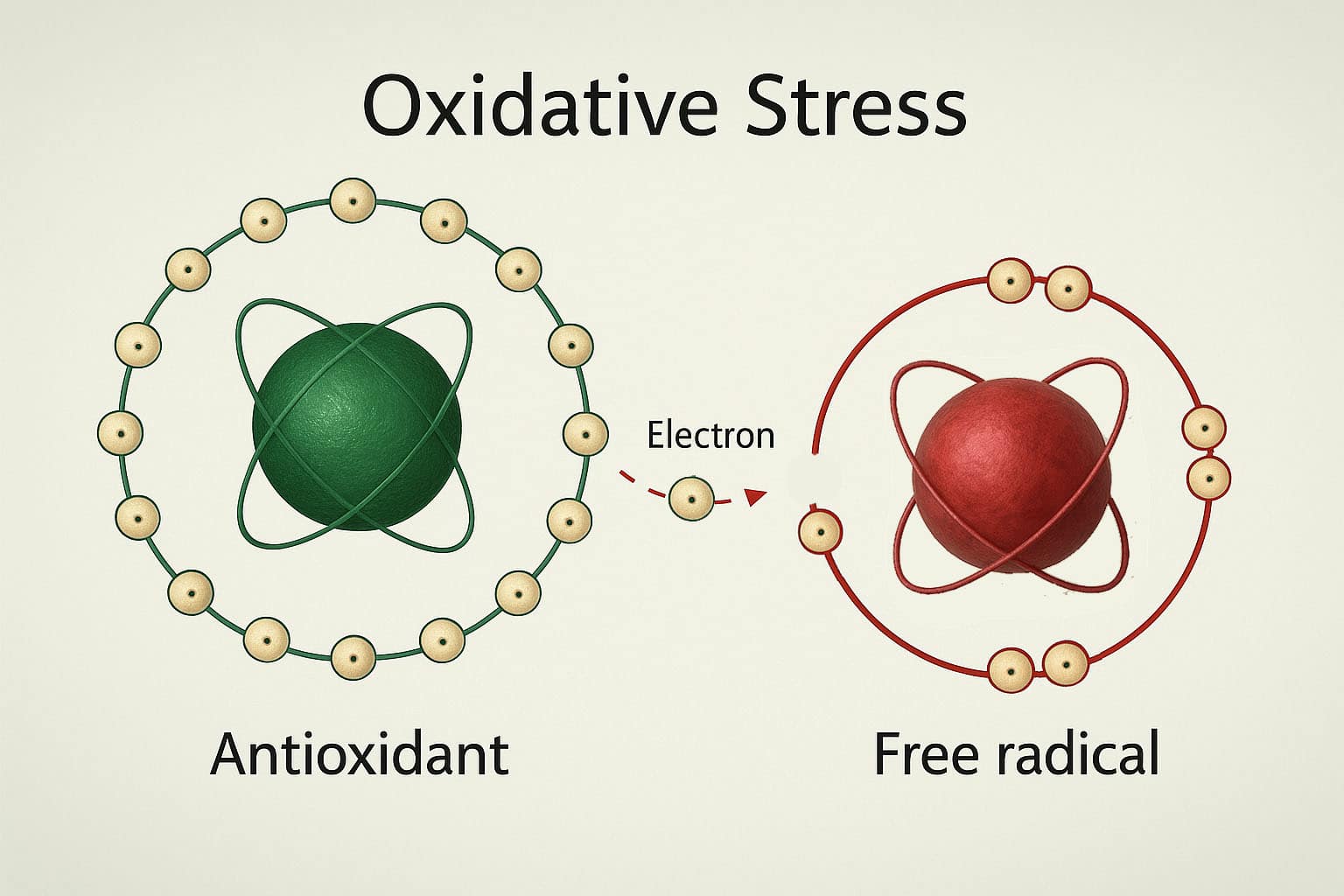
The Free radicals are unstable and highly reactive molecules with an unpaired electron. They are byproducts of metabolism and can also come from external exposures. They kill harmful microbes, break down infected cells, support immune defence, act in cell signalling, and stimulate healing. But unfortunately, too much of them can be very harmful. They speed up aging, drain your energy, and increase your risk of diseases like diabetes, heart problems, and even cancer. Free radicals are stealing electrons from stable, healthy molecules, causing many molecules to lose stability and become unstable. This is the state of Oxidative Stress. Basically, free radicals react with other cells, proteins, lipids, and DNA.
Basic Sources of Free Radicals.
Internal sources: Normal cell metabolism, immune system response, inflammation.
- Nutrient breakdown : When our body’s cells use oxygen at the time work like producing energy, repairing, or breaking down nutrients. During this normal process, sometimes oxygen molecules don’t break down perfectly that’s why they are “incomplete” because they are missing an electron, so they try to steal electrons from nearby healthy molecules like another cell, proteins, fats, or even DNA.
- Immune system : When germs (like bacteria or viruses) enter the body, the immune system fights back. White blood cells produce free radicals against germs to kill them.
- Inflammation : When the body has injury, infection, or irritation, it triggers inflammation. It is the body’s healing response. As part of this, immune cells at the inflamed area release free radicals for kill germs, Break down damaged cells and tissues, Signal other immune cells to come and repair.
External sources: Pollution, cigarette smoke, alcohol, junk food, pesticides, radiation, and stress.
- Pollution (air, water, chemicals) : Toxins in polluted air and water create unstable molecules inside our body, increasing free radicals.
- Cigarette smoke : Contains thousands of harmful chemicals that directly add free radicals to the lungs and blood.
- Alcohol : When the liver breaks down alcohol, it produces free radicals that can damage liver cells and other tissues.
- Junk / processed foods : High in sugar, unhealthy fats, and additives → digestion of these foods creates extra free radicals.
- Pesticides : Residues on fruits/vegetables or in the environment increase toxic reactions, leading to free radical formation.
- Radiation (UV rays, X-rays, etc.) : High-energy rays split molecules in cells → forming free radicals that damage DNA and skin.
- Stress (emotional/mental) : Long-term stress raises stress hormones (like cortisol), which indirectly increase free radical production in the body.
Types of Free Radicals.
Major Types
- Reactive Oxygen Species (ROS) – Free radicals made from oxygen (like superoxide, hydroxyl radical); most common and linked to oxidative stress.
- Superoxide anion → O₂•⁻
- Hydroxyl radical → •OH
- Hydrogen peroxide (not a radical, but ROS) → H₂O₂
- Singlet oxygen → ¹O₂
- Reactive Nitrogen Species (RNS) – Free radicals formed from nitrogen (like nitric oxide, peroxynitrite); important in cell signaling but harmful in excess.
- Nitric oxide → NO•
- Peroxynitrite → ONOO⁻
- Nitrogen dioxide → NO₂•
Minor Types
- Reactive Sulfur Species (RSS) – Free radicals made from sulfur compounds; can damage proteins containing sulfur.
- Thiyl radical → RS•
- Hydrogen sulfide radical → HS•
- Reactive Carbonyl Species (RCS) – Unstable molecules from sugar and fat breakdown; linked to diabetes and aging.
- Malondialdehyde → CH₂(CHO)₂
- 4-Hydroxynonenal (HNE) → C₉H₁₆O₂
- Reactive Chlorine Species (RClS) – Produced by immune cells using chlorine (like hypochlorous acid) to kill germs.
- Hypochlorous acid → HOCl
- Chlorine radical → Cl•
- Reactive Bromine Species (RBrS) – Similar to chlorine species, formed in immune defense, but can also harm healthy tissue.
- Hypobromous acid → HOBr
- Bromine radical → Br•
- Reactive Iodine Species (RIS) – Produced in thyroid and immune reactions; help regulate hormones but may cause oxidative stress.
- Hypoiodous acid → HOI
- Iodine radical → I•
- Reactive Metal-induced Species – Free radicals generated when metals like iron or copper react with oxygen; strongly damage DNA and lipids.
- Fenton reaction (Fe²⁺ + H₂O₂ → Fe³⁺ + •OH + OH⁻)
- Copper (Cu⁺ + H₂O₂ → Cu²⁺ + •OH + OH⁻)
Antioxidants
Antioxidants are stable molecules that donate an electron to free radicals in a safe way and neutralizes free radicals, avoid cell damage and prevent oxidative stress. Free radicals try to steal electrons from healthy cells, causing damage. So, antioxidants act like a shield or defender against free radical attack.
Antioxidants usually have a special chemical group that can donate electrons or hydrogen atoms.
Basic Sources of Antioxidants
Endogenous (Made by our body) : These are natural antioxidants our body produces:
- Glutathione
- Uric acid
- Superoxide dismutase (SOD)
- Catalase
- Glutathione peroxidase
- Coenzyme Q10
- Melatonin
Exogenous (from diet & environment) : These we get mainly from food:
- Vitamins & Minerals
- Vitamin C → citrus fruits, berries, kiwi, peppers
- Vitamin E → nuts, seeds, vegetable oils
- Vitamin A & carotenoids (β-carotene, lycopene, lutein) → carrots, spinach, tomatoes, sweet potatoes
- Selenium → Brazil nuts, seafood
- Zinc, Copper, Manganese → whole grains, legumes, nuts
- Plant Compounds (Phytochemicals)
- Flavonoids (tea, cocoa, onions, apples)
- Polyphenols (berries, grapes, olive oil)
- Resveratrol (red grapes, wine)
- Catechins (green tea)
- Curcumin (turmeric)
- Others
- Alpha-lipoic acid (spinach, broccoli, organ meats)
- Coenzyme Q10 (fatty fish, meat)
Types based on function
- Preventive Antioxidants → stop formation of free radicals
- Scavenging Antioxidants → neutralize already formed free radicals
- Repair/De Novo Antioxidants → repair oxidized molecules or regenerate other antioxidants
e.g. Catalase, Glutathione peroxidase, Superoxide dismutase
e.g., Vitamin C, Vitamin E, Carotenoids, Polyphenols
e.g., Glutathione, Alpha-lipoic acid, Uric acid
| Free Radical Type | Damage Caused | Antioxidant Sources |
|---|---|---|
| 1. Reactive Oxygen Species (ROS) (O₂•⁻, OH•, H₂O₂, ¹O₂) | DNA damage, lipid peroxidation, aging, cancer, heart disease | Citrus fruits, berries, kiwi (Vitamin C); Nuts, seeds (Vitamin E); Spinach, broccoli (Glutathione boosters) |
| 2. Reactive Nitrogen Species (RNS) (NO•, ONOO⁻, NO₂•) | Protein nitration, mitochondrial dysfunction, neurodegeneration | Green tea (catechins), Grapes & berries (polyphenols), Citrus fruits (Vitamin C) |
| 3. Reactive Sulfur Species (RSS) (HS•, RSSH, RSSR) | Protein misfolding, enzyme inactivation, oxidative stress | Garlic, onions (sulfur compounds); Spinach, kale (Glutathione precursors); Legumes |
| 4. Reactive Carbonyl Species (RCS) (MGO, 4-HNE) | Protein/DNA glycation → diabetes complications, aging | Whole grains, beans (carnosine boosters); Broccoli, spinach (alpha-lipoic acid); Meat, poultry |
| 5. Reactive Chlorine Species (RClS) (HOCl, ClO⁻) | Protein chlorination, DNA mutation, inflammation | Citrus fruits (Vitamin C); Seafood (taurine); Cruciferous vegetables |
| 6. Reactive Bromine Species (RBrS) (HOBr, BrO⁻) | Lipid peroxidation, protein modification, immune tissue injury | Almonds, sunflower seeds (Vitamin E); Berries (Vitamin C); Green leafy vegetables |
| 7. Reactive Iodine Species (RIS) (HOI, I₂•⁻) | Thyroid hormone disruption, DNA/protein iodination | Brazil nuts (selenium); Fish, dairy (iodine balance); Spinach, broccoli (Glutathione precursors) |
| 8. Reactive Metal-Induced Species (Fe²⁺/Fe³⁺, Cu⁺/Cu²⁺ → Fenton reaction) | Hydroxyl radical generation → severe DNA, lipid damage | Green tea, cocoa (polyphenols as chelators); Legumes (phytates); Whole grains, turmeric |
✨ Final Thoughts: Winning the Battle Against Oxidative Stress ✨
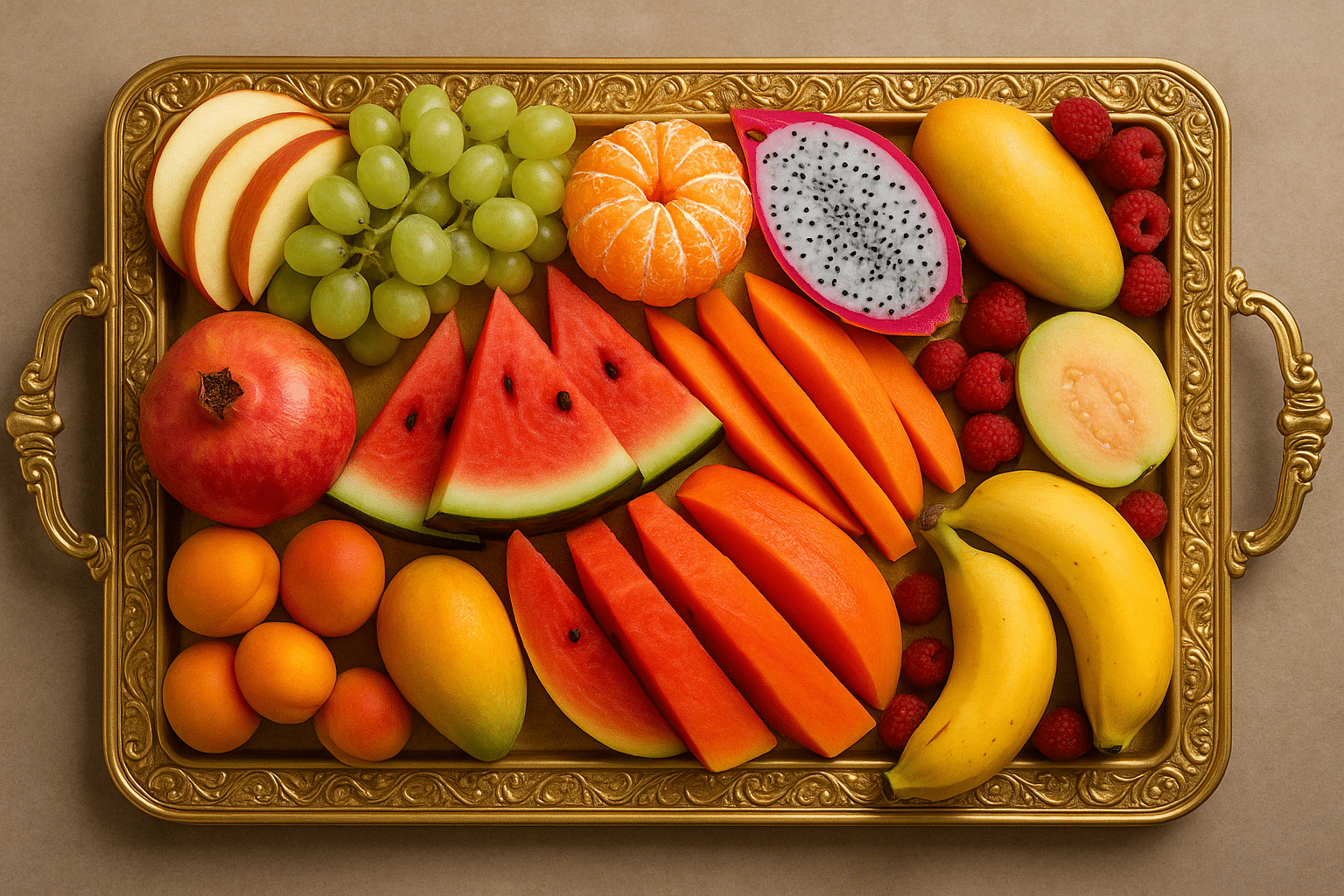
Oxidative stress may sound like a silent enemy, but it doesn’t have to control your health or your future. Every free radical your body faces is a challenge and every antioxidant you consume is a shield. By filling your plate with colourful fruits, leafy greens, nuts, seeds, and antioxidant rich superfoods, you give your cells the Armor they need to fight back.
Remember, health isn’t built in a day, it’s built every day. Small choices like swapping soda for green tea, grabbing a handful of berries instead of chips, or taking a walk in fresh air can tip the balance in your Favor.
Stay mindful, stay nourished, and let your lifestyle be the strongest antioxidant of all. 🌿💪✨
FAQ’s
- What is Oxidative Stress?
- What happens due to oxidative stress?
- What are Free Radicles?
- What are the reasons for the presence of free radicals in our body?
- What are Antioxidants?
- What are Free Radicals sources?
- How do free radicals cause harm?
- Types of Free Radicals?
- How do antioxidants balance or neutralize free radicals?
- Source of Antioxidants?
- What is top most strength and effectiveness Antioxidants ?
- Top Superfoods That Protect Against Most Free Radicals
Ans. Antioxidants balance free radicals. When there are more free radicals than antioxidants, it is called Oxidative Stress.
Ans. Oxidative stress causes cell damage, tissue injury, and various types of diseases.
Ans. The Free Radicles are unstable molecules with an unpaired electron and very reactive.
Ans. Free radicals are always present in our body because they are by-products of normal metabolism and can also come from external exposures. they kill harmful microbes, break down infected cells, support immune defence, act in cell signalling, and trigger healing.
Ans. Antioxidants are molecules that protect the body by neutralizing free radicals. They prevent oxidative stress and avoid cell damage.
Ans. They are two major sources. Internal & External.
1. Internal (Produced Naturally in the Body), 2. External (Environmental & Lifestyle Factors)
Ans. Free radicals cause harm by stealing electrons from healthy molecules (like DNA, proteins, and fats), which makes those molecules unstable. It leading to cell damage, inflammation, aging, and diseases.
Ans. Free radicals are mainly divided into two major types:Reactive Oxygen Species (ROS) , Reactive Nitrogen Species (RNS)
Ans. Antioxidants balance free radicals by donating an electron to stabilize them without becoming harmful themselves, preventing cell damage.
Ans. Antioxidants come from both inside the body and outside sources. inside the body: Endogenous (made inside the body) (Enzymatic antioxidants), Outside Source: Exogenous (from outside, mainly food) (Non-enzymatic antioxidants), Lifestyle
Ans. Glutathione (master antioxidant),Vitamin C, Vitamin E, Coenzyme Q10, Alpha-Lipoic Acid
Ans. Berries , Green Tea , Citrus Fruits , Nuts & Seeds , Leafy Greens , Garlic & Onions , Turmeric , Tomatoes , Whole Grains & Legumes
One-line summary for healthy: Including a mix of colourful fruits, green veggies, nuts, seeds, and antioxidant-rich drinks like green tea daily gives the best protection from free radical