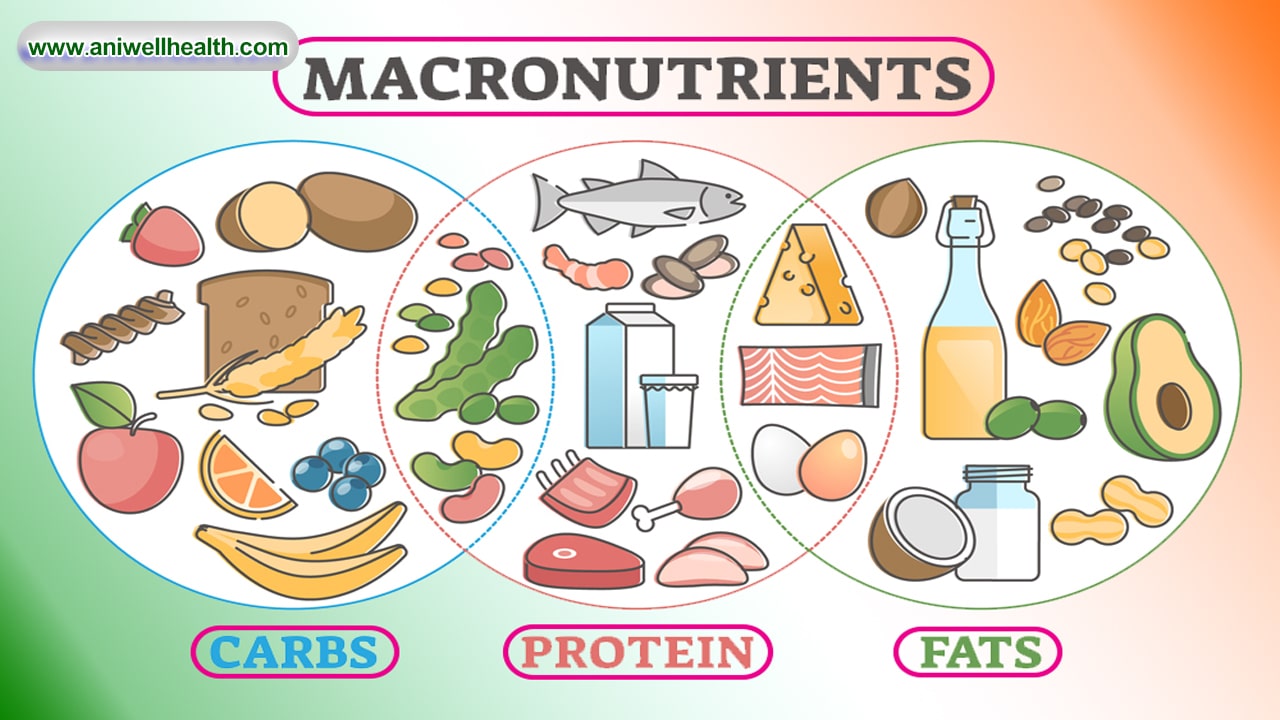
A balanced diet is crucial for achieving optimal health, enhancing immunity, supporting physical and mental development, and preventing chronic diseases. It includes the right amounts of macronutrients (carbohydrates, proteins, fats), micronutrients (vitamins, minerals), fiber, and water—customized to your age, activity level, and health goals.
The average adult needs about 2,000–2,500 kcal per day for a balanced diet. Standard daily recommendations include a balanced diet containing macronutrients (protein, fats, carbohydrates) and micronutrients (vitamins and minerals). These vary depending on age, gender, activity level, and health goals.
They are two major Nutrients for a balanced diet.
- Macronutrients (Carbohydrates, Protein, Fats, Fiber….)
- Micronutrients (Vitamins, Minerals……)
Macronutrients for balanced diet
- Carbohydrates in a balanced diet
- Fatigue, brain fog
- Weakness during physical activity
- Cravings for sugar or starch
- Keto adaptation (body uses fat/ketones for fuel)
- Muscle loss (especially without enough protein)
- Constipation (low fiber if veggies are also reduced)
- Thyroid and hormonal issues (in some individuals)
- Mood changes (low serotonin)
- Weight gain (from excess calories)
- Blood sugar spikes and crashes
- Increased risk of insulin resistance or type 2 diabetes
- Elevated triglycerides
- Increased fat storage, especially visceral fat
- Recommended: 3–7 g/kg/day for most people
- Too low → fatigue, muscle loss, hormonal effects
- Too high → weight gain, insulin issues (especially from processed carbs)
- Focus on whole-food carbs: vegetables, fruits, legumes, whole grains
- Limit refined sugars and ultra-processed carbs
- Proteins for balanced diet
- Histidine
- Isoleucine
- Leucine
- Lysine
- Methionine
- Phenylalanine
- Threonine
- Tryptophan
- Valine
- Muscle loss and weakness
- Fatigue
- Slower recovery from exercise or injury
- Impaired immune function
- Hair thinning, skin issues, brittle nails
- Edema (swelling due to low albumin)
- Poor growth in children
- Increased risk of infections
- Kidney stress (mainly a concern in people with pre-existing kidney disease)
- Dehydration (due to higher nitrogen excretion)
- Nutrient imbalance (if protein crowds out fruits, vegetables, fiber)
- Digestive issues (bloating, constipation if low fiber)
- Possible increase in cardiovascular risk if from processed meats
- Fats for balanced diet
- Omega-3 (ALA – alpha-linolenic acid) flaxseed, chia, walnuts, fatty fish (EPA, DHA)
- Omega-6 (LA – linoleic acid) vegetable oils, nuts, seeds
- Hormonal imbalance (especially sex hormones like estrogen & testosterone)
- Vitamin deficiencies (A, D, E, K – fat-soluble)
- Dry skin, brittle hair & nails
- Weakened immune function
- Poor brain function (fat is critical for nerve cells and cognition)
- Menstrual irregularities or amenorrhea (in women)
- Weight gain (fat is energy-dense: 9 kcal/g)
- Elevated LDL cholesterol (if high in saturated/trans fats)
- Increased risk of heart disease (especially with poor-quality fats)
- Digestive discomfort (bloating, diarrhea)
- Fatty liver (especially when combined with excess calories or sugar)
- Fiber for balanced diet
- Soluble Fiber
- Dissolves in water to form a gel-like substance.
- Benefits: Helps lower blood cholesterol and glucose levels.
- Sources: Oats, apples, oranges, carrots, barley, beans.
- Insoluble Fiber
- Does not dissolve in water and adds bulk to stool.
- Benefits: Promotes regular bowel movements and prevents constipation.
- Eat whole fruits instead of drinking juice.
- Choose whole grains over refined grains.
- Add beans or lentils to salads and soups.
- Snack on nuts, seeds, or raw vegetables.
- Constipation : slows digestion and causes hard, dry stools that are difficult to pass.
- Weight Gain : Low-fiber foods are less filling, making you more likely to overeat.
- Blood Sugar Spikes : without fiber to slow absorption, sugar enters the bloodstream quickly, increasing the risk of type 2 diabetes.
- High Cholesterol : Less soluble fiber means less removal of LDL (bad) cholesterol from the body.
- Increased Risk of Disease : Low fiber intake is linked to a higher risk of heart disease, certain cancers (like colon cancer), and digestive disorders like diverticulosis.
- Bloating and Gas : Undigested fiber ferments in the colon, producing gas.
- Stomach Cramps : Excess fiber can irritate the digestive system, especially if you’re not used to it.
- Constipation or Diarrhea : without enough fluids, fiber can actually clog up the digestive tract instead of helping it.
- Nutrient Absorption Issues : Excess fiber may interfere with the absorption of minerals like calcium, iron, and zinc.
It is a primary Source of Energy, Carbohydrates are the body cells preferred source of energy. During digestion, Carbohydrates are broken down into glucose, which is used by cells for energy and the brain depends heavily on glucose, without sufficient carbohydrates, mental functions (memory, learning, and concentration) can decrease. Carbohydrate needs based on age, activity level and goals – almost Total: 45%–65% of daily calories.
| Activity / Goal | Carb Intake (g/kg/day) |
|---|---|
| Sedentary / general health | 3–5 g/kg |
| Moderate activity / fitness | 5–7 g/kg |
| Endurance training (e.g., runners) | 6–10 g/kg |
| High-intensity athletes | 8–12 g/kg |
| Low-carb/keto diets | < 2 g/kg |
For a 70 kg Person: Sedentary: 210–350 g/day – Highly active: 560–840+ g/day.
if You Consume low Carbohydrates
Short-Term:
Long-Term or Very Low-Carb Diets (<50g/day):
if You Consume high Carbohydrates
Even healthy carbs (like fruits, whole grains) can lead to excess weight if calorie balance is ignored.
Protein is an essential nutrient in the human balanced diet, Protein is the building blocks of the body, used to build and repair muscles, skin, organs, and other tissues. Many enzymes and hormones (like insulin) are proteins or protein-based, playing critical roles in metabolism, digestion, and regulation of body processes. Antibodies that fight infections are proteins. without sufficient protein, our immune system weakens, Proteins like hemoglobin carry oxygen in the blood. Others transport nutrients and minerals within the cells or in the blood stream. Protein is essential for growth in children, teens, and pregnant women., Although not the primary energy source, protein can be used for energy (4 calories per gram) when carbs and fats are insufficient.
Protein Intake: 0.8–1.2 grams per/kg of body weight, Average Range: 50–100 grams/day.
| Activity Level / Group | Protein Intake (g/kg/day) |
|---|---|
| Sedentary adults | 0.8 g/kg |
| Active adults / general fitness | 1.0–1.2 g/kg |
| Endurance athletes | 1.2–1.6 g/kg |
| Strength training / muscle building | 1.6–2.2 g/kg |
| Older adults (to prevent muscle loss) | 1.0–1.2 g/kg |
| Weight loss (to preserve muscle) | 1.6–2.4 g/kg |
Amino Acids (from Protein), There are 9 essential amino acids that must come from food:
if You Consume low Protein
Short-Term Effects:
Long-Term Effects:
if You Consume high Protein
Potential Risks (mostly if long-term and excessive):
Fats are the most concentrated source of energy, providing 9 calories per gram, compared to 4 calories per gram for carbohydrates and proteins, They serve as a long-lasting fuel, especially during low-intensity, sustained activities and fasting, Fats are necessary for the absorption of fat-soluble vitamins A, D, E, and K without adequate fat, the body cannot absorb these nutrients effectively, leading to deficiencies. Fats are critical components of cell membranes, especially phospholipids and cholesterol, It maintain membrane fluidity, which is main for proper cell function. Fats, particularly cholesterol, are needed to synthesize steroid hormones such as estrogen, testosterone, and cortisol. The brain is composed of nearly 60% fat, and essential fatty acids like omega-3 DHA (Docosahexaenoic Acid), EPA (Eicosapentaenoic Acid), ALA (Alpha-linolenic Acid), Omega-6 Fatty Acids Linoleic Acid (LA), Arachidonic Acid (AA) are crucial for brain development, function, and mood regulation. Fats cushion internal organs, protecting them from physical shock, They also provide thermal insulation, helping regulate body temperature.
Total Fat: 20–35% of daily calories, For 2,000 kcal/day → 44–78 grams.
Saturated Fat: <10% of daily calories (about 22g max), Avoid: Trans fats (found in processed foods)
Healthy Fats: Focus on unsaturated fats (olive oil, nuts, avocados, fatty fish)
| Activity / Goal | Fat Intake (g/kg/day) |
|---|---|
| Sedentary / general health | 0.8–1.0 g/kg |
| Active adults | 1.0–1.5 g/kg |
| Athletes / high-calorie diets | 1.0–2.0 g/kg |
| Low-carb/keto diets | 1.5–3.0+ g/kg |
For a 70 kg person, that’s about 56–105 grams of fat/day depending on lifestyle and goals.
if You Consume low Fat
👉Minimum fat intake should not go below 0.5 g/kg/day, even during weight loss.
If You consume high Fat
Dietary fiber is a type of carbohydrate found in plant-based foods. It cannot be digested, even though it doesn’t provide energy like macronutrients. fiber plays a crucial role in maintaining good health, especially for the digestive system, prevents constipation, helps regulate blood sugar and cholesterol.Often considered a subcategory of carbohydrates but important on its own.
Daily Amount (About 25g For Women And 38g For Men)
Sources: Whole wheat, brown rice, nuts, beans, cauliflower, green beans.
If consume low fiber
If consume high fiber
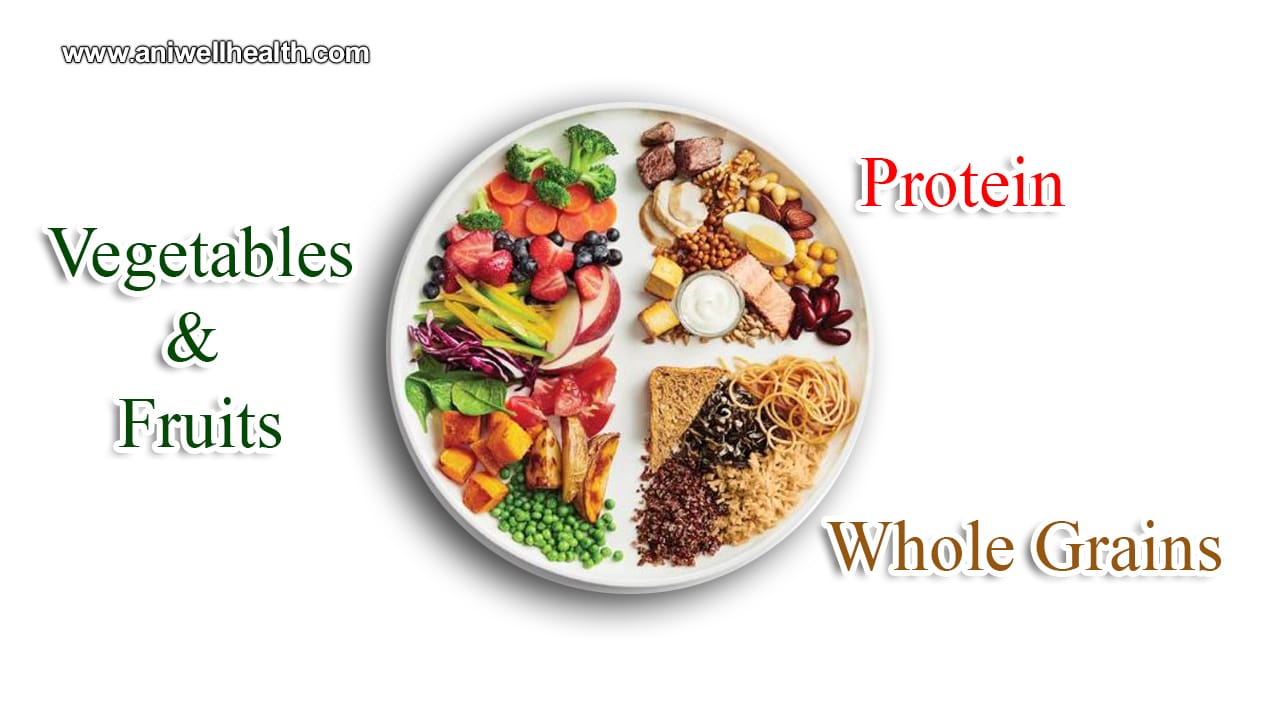
Micronutrients for balanced diet
Micronutrients are most important vitamins and minerals that the body needs in small amounts to function properly. Though required in tiny quantities, they are critical for health, growth, and preventing chronic diseases, and supporting physical and mental development. A balanced diet with plenty of fruits, vegetables, whole grains, lean proteins, and dairy products typically provides all the variety of micronutrients our body needs.
- Vitamins for balanced diet
- Minerals for balanced diet
- Macro Minerals
- Micro Minerals
- Other Possibly Essential Elements (Still Under Study)
- Nickel – enzyme function
- Silicon – bone formation, connective tissue
- Boron – bone health, hormone regulation
- Vanadium – may help with insulin function
- Cobalt – part of Vitamin B12, essential in that form
- Contaminants That Must Be Limited or Absent
Vitamins are organic compounds that are essential for Normal growth and development, Proper functioning of the immune and nervous systems, Energy production and metabolism, preventing deficiencies that can lead to diseases.
There are 13 officially recognized essential vitamins.
| Vitamin | Name | Main Functions | Sources |
|---|---|---|---|
| A | Retinol | Vision, immunity | Carrots, liver, dairy |
| B1 | Thiamine | Energy metabolism | Whole grains, pork |
| B2 | Riboflavin | Energy, skin health | Eggs, dairy |
| B3 | Niacin | Metabolism, skin | Meat, legumes |
| B5 | Pantothenic acid | Hormone & energy metabolism | Whole grains |
| B6 | Pyridoxine | Brain, blood function | Meat, bananas |
| B7 | Biotin | Hair, skin, metabolism | Eggs, seeds |
| B9 | Folate | Cell growth, pregnancy | Leafy greens |
| B12 | Cobalamin | Nerve function | Meat, eggs, dairy |
| C | Ascorbic Acid | Immunity, antioxidant | Citrus, berries |
| D | Calciferol, (Ergocalciferol-D2, Cholecalciferol -D3) |
Bone health | Sunlight, fish, fortified milk |
| E | Tocopherol | Antioxidant | Nuts, seeds, oils |
| K | Phylloquinone – K1, Menaquinones – K2, Menadione – K3 |
Blood clotting | Leafy greens, broccoli |
These are required in larger amounts (100 mg/day or more)
| Mineral | Function | Sources |
|---|---|---|
| Calcium | Bone/teeth, nerve signals, muscle work | Dairy, leafy greens, tofu |
| Phosphorus | Bone, energy (ATP), cell repair | Meat, dairy, legumes |
| Potassium | Muscle, nerve function, fluid balance | Bananas, potatoes, beans |
| Magnesium | Muscle, nerve, enzyme function | Nuts, seeds, whole grains |
| Sodium | Nerve function, fluid balance | Salt, processed foods (excess intake is common) |
| Chloride | Fluid balance, stomach acid (HCl) | Salt, seaweed, tomatoes |
| Sulfur | Protein structure (amino acids), detox | Garlic, onions, cruciferous vegetables |
Needed in smaller amounts, but still essential.
| Mineral | Function | Sources |
|---|---|---|
| Iron | Hemoglobin (oxygen transport), energy | Red meat, legumes, spinach |
| Zinc | Immunity, wound healing, taste, enzymes | Meat, shellfish, nuts |
| Iodine | Thyroid hormone production | Iodized salt, seafood, seaweed |
| Selenium | Antioxidant defence, thyroid function | Brazil nuts, seafood, grains |
| Copper | Iron metabolism, nerve function | Shellfish, seeds, nuts |
| Manganese | Bone formation, enzyme cofactor | Whole grains, nuts, leafy greens |
| Fluoride | Tooth enamel strength | Fluoridated water, tea, fish |
| Chromium | Insulin function, blood sugar regulation | Whole grains, broccoli, meats |
| Molybdenum | Enzyme function (metabolism) | Legumes, grains, nuts |
These are not officially essential in all nutritional guidelines yet, but research supports roles in human biology.
| Contaminant | Safe Limit (mg/L) | Health Risk If Excessive |
|---|---|---|
| Lead | 0 | Brain damage, especially in children |
| Arsenic | < 0.01 (WHO) | Cancer risk, skin lesions |
| Mercury | < 0.001 | Kidney, nervous system damage |
| Cadmium | < 0.003 | Kidney toxicity |
| Nitrate/Nitrite | Nitrate < 50, Nitrite < 0.1 | Blood oxygen reduction (especially in infants) |
| Pesticides / Herbicides | 0 | Cancer, hormone disruption |
| Bacteria/Viruses/Protozoa | 0 CFU | Diarrhea, cholera, typhoid, dysentery |
| Coliforms (e.g. E. coli) | 0 CFU / 100 mL | Indicates fecal contamination |
LAST BUT NOT LEAST
Water in balanced diet
Daily need About 2–3 liters (8–12 cups) of water per day to intake for healthy life on defferent activity and climate. for temperature control, digestion, circulation, waste elimination and more….
Essential Minerals in Water
| Substance | Role / Benefit | Typical Range (mg/L) |
|---|---|---|
| Calcium (Ca²⁺) | Bone health, muscle/nerve function | 10–100 |
| Magnesium (Mg²⁺) | Nerve, muscle function, heart rhythm | 5–50 |
| Potassium (K⁺) | Fluid balance, nerve impulses | 0–10 |
| Sodium (Na⁺) | Fluid/electrolyte balance | 5–50 (higher in soft water) |
| Bicarbonate (HCO₃⁻) | pH buffering, digestion | 10–300 |
| Chloride (Cl⁻) | Electrolyte balance | 5–100 |
| Sulfate (SO₄²⁻) | Digestion, metabolism | 5–250 |
| Fluoride (F⁻) | Dental health (small amounts) | 0.5–1.5* (regulated) |
| Silica (SiO₂) | Skin, bone, connective tissue (minor) | 1–30 |
| Iron (Fe²⁺/Fe³⁺) | Oxygen transport (if present) | <0.3 |
| Zinc (Zn²⁺) | Immune support (trace only) | <5 |
Contaminants That Should Be Absent or Very Low
| Contaminant | WHO or EPA Limit |
|---|---|
| Arsenic | <0.01 mg/L |
| Lead | <0.01 mg/L (EPA goal is 0) |
| Mercury | <0.006 mg/L |
| Nitrate (as NO₃⁻) | <50 mg/L |
| Nitrite (as NO₂⁻) | <3 mg/L |
| Bacteria (E. coli, etc.) | 0 CFU/100 mL |
| Pesticides / VOCs | Varies, should be undetectable |
Physical & Chemical Characteristics of water
| Parameter | Acceptable Range | Notes |
|---|---|---|
| Ph | 6.5 – 8.5 | Neutral to slightly alkaline |
| TDS (Total Dissolved Solids) | 100 – 500 mg/L | Too high = hard water, bad taste |
| Turbidity | < 1 NTU | Clear water = low turbidity |
| Color & Odor | None | Should be colorless, odorless |
| Hardness | 80–200 mg/L (CaCO₃) | Affects soap usage, plumbing |
Conclusion for Balanced Diet:
intake of balanced diet maintain good health, sufficient energy, and overall well-being. It provides the body with the right proportion of carbohydrates, proteins, fats, vitamins, minerals and water for proper growth, development and bodily functions. By including a variety of nutrient-rich foods such as fruits, vegetables, whole grains, lean proteins, and healthy fats, individuals can strengthen their immune system, reduce the risk of chronic diseases, and promote mental and physical performance. Making conscious food choices and practicing moderation ensures long-term health and a better quality of life. it prevent aging. Ultimate Anti-Aging Guide
1 thought on “Balanced Diet Guide: Nutrients & Health Benefits”